
Power
Clean low-voltage DC leaves a PoE switch and arrives ready for LEDs. No bulky AC driver hiding above every fixture.


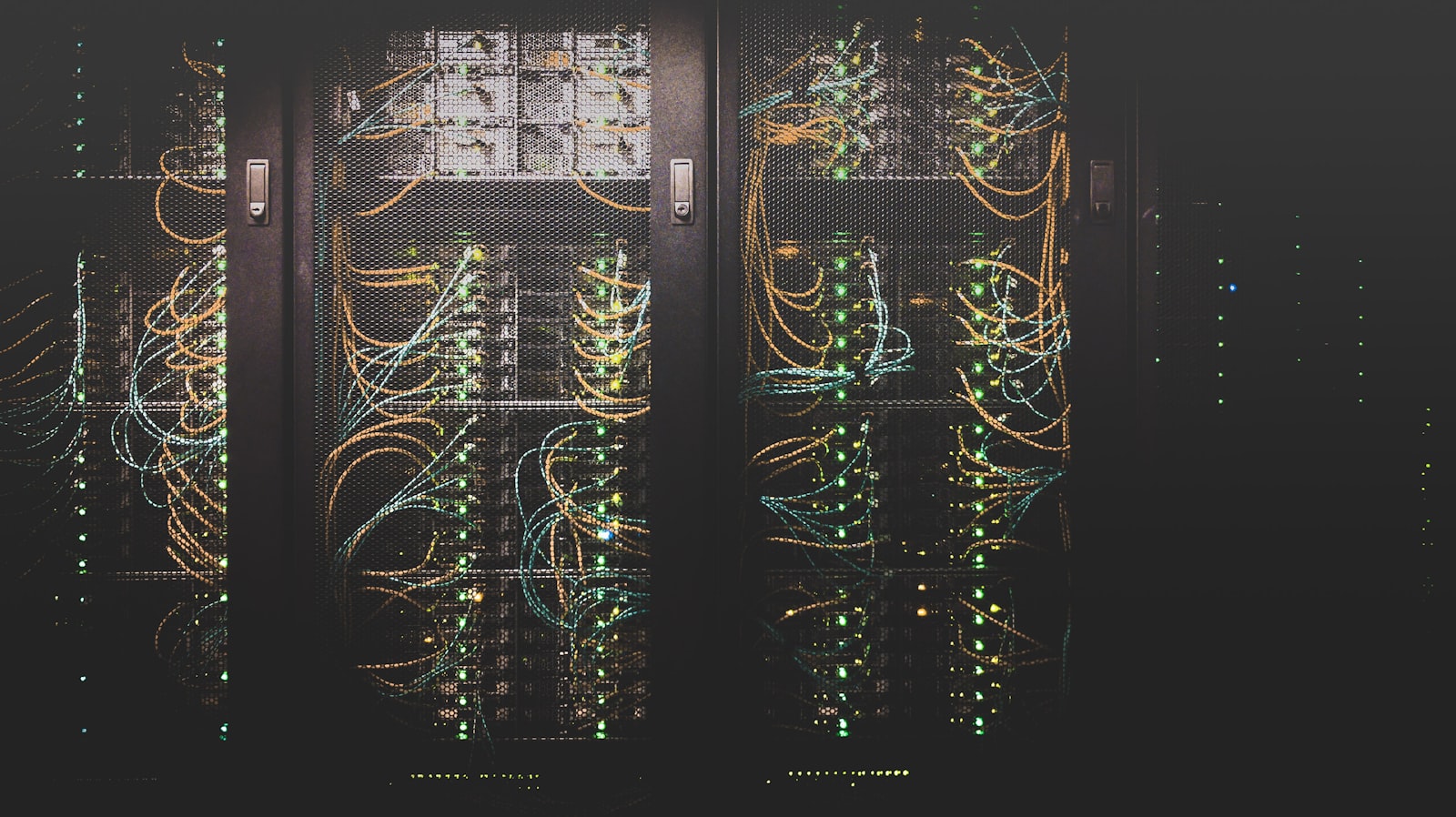
One cable. Power and data. Lights that actually listen.
Forget separate high-voltage runs to every fixture. GENISYS PoE lighting sends safe, low-voltage power and control data over the same Ethernet cable your IT gear already understands.
Think of it like this: your building already has a nervous system. PoE lighting plugs into it. Power goes out. Data comes back. Your lights become smart nodes instead of dumb bulbs on a switch leg.
Power + data
 CAT5 / CAT6
 Software control
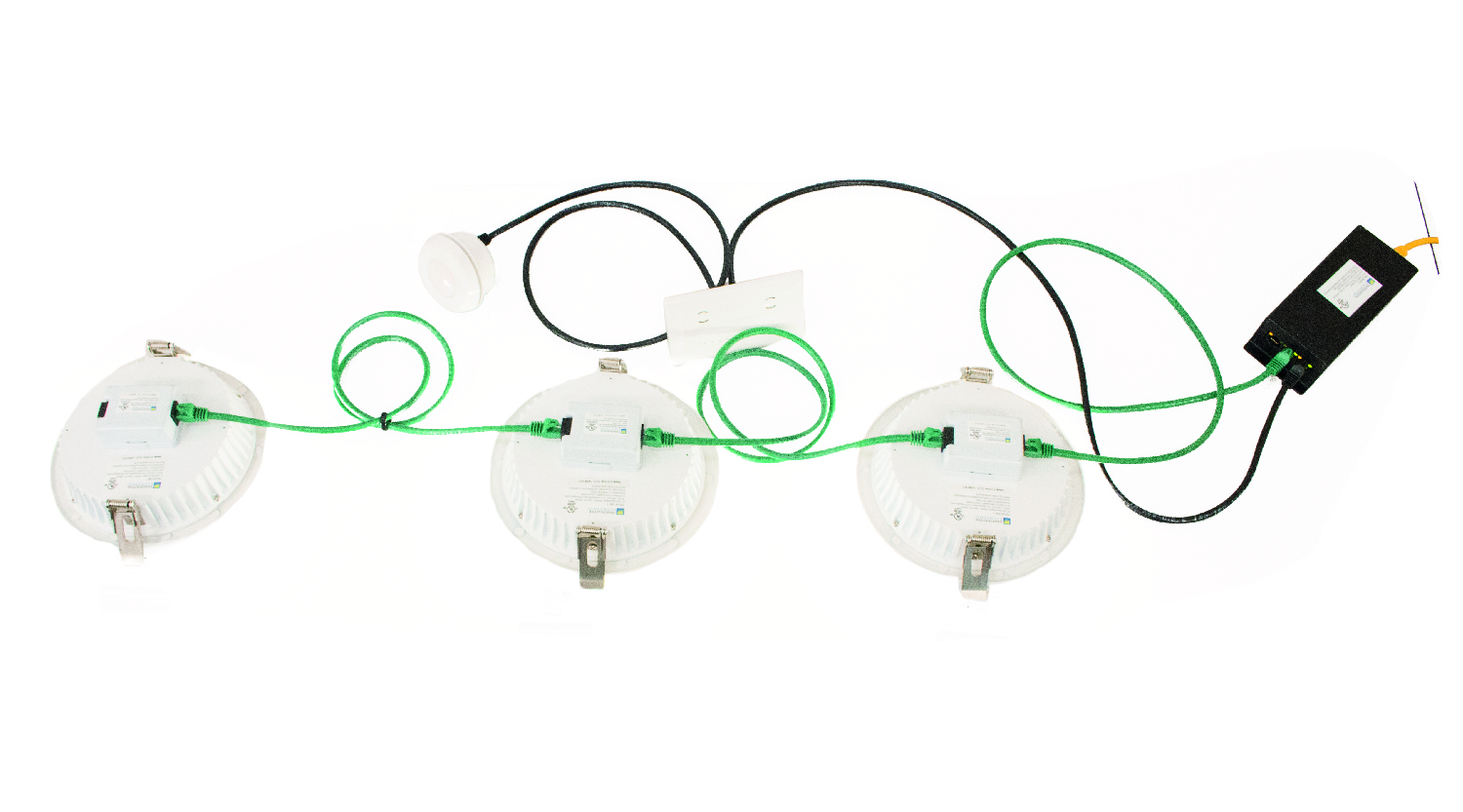
A standard Ethernet cable carries DC power to run the lights and the network traffic that tells them what to do.

Clean low-voltage DC leaves a PoE switch and arrives ready for LEDs. No bulky AC driver hiding above every fixture.

Commands, scenes, sensor events, and energy feedback ride the same cable so every light stays in sync with the building.
CAT5/CAT6 and RJ45 connectors keep installs familiar for low-voltage teams and dramatically simpler than conduit-heavy AC lighting.
From the network closet to the ceiling to the dashboard, here is how GENISYS turns Ethernet into light you can actually control.
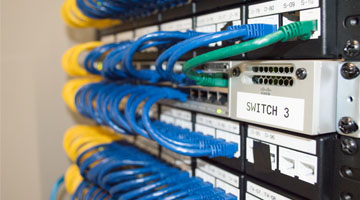
It all starts at the switch. A PoE network switch consolidates AC-to-DC conversion in one efficient place, then sends clean low-voltage power and data out over Ethernet. Centralizing that conversion is a big reason PoE lighting wastes less energy than traditional line-voltage LED systems.
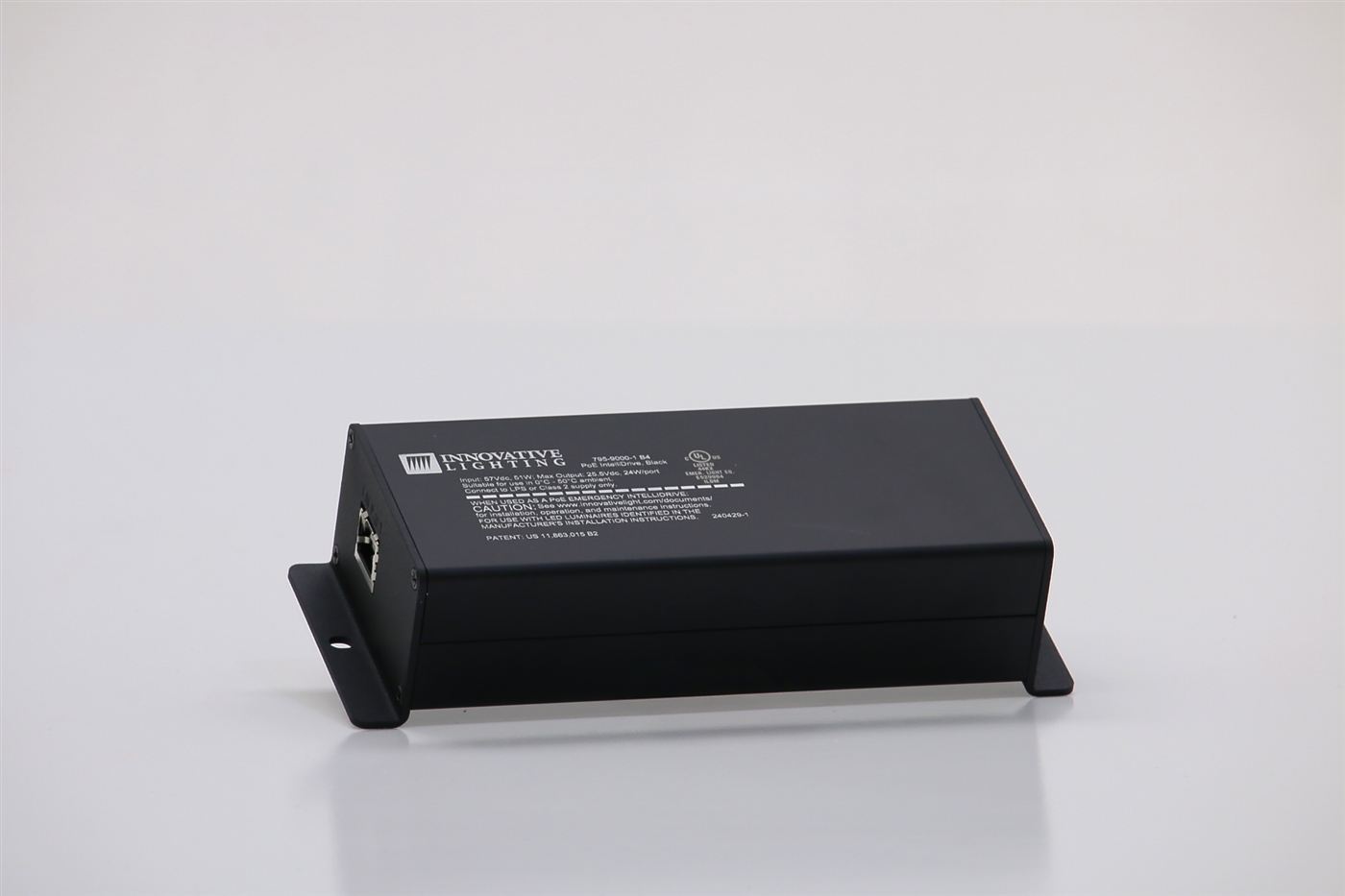
Meet the hub in the ceiling. The GENISYS IntelliDrive takes one UPoE port and turns it into power and control for up to eight devices. Fixtures, sensors, and wall switches plug into the node, so intelligence lives in the hub instead of trapped inside every luminaire.
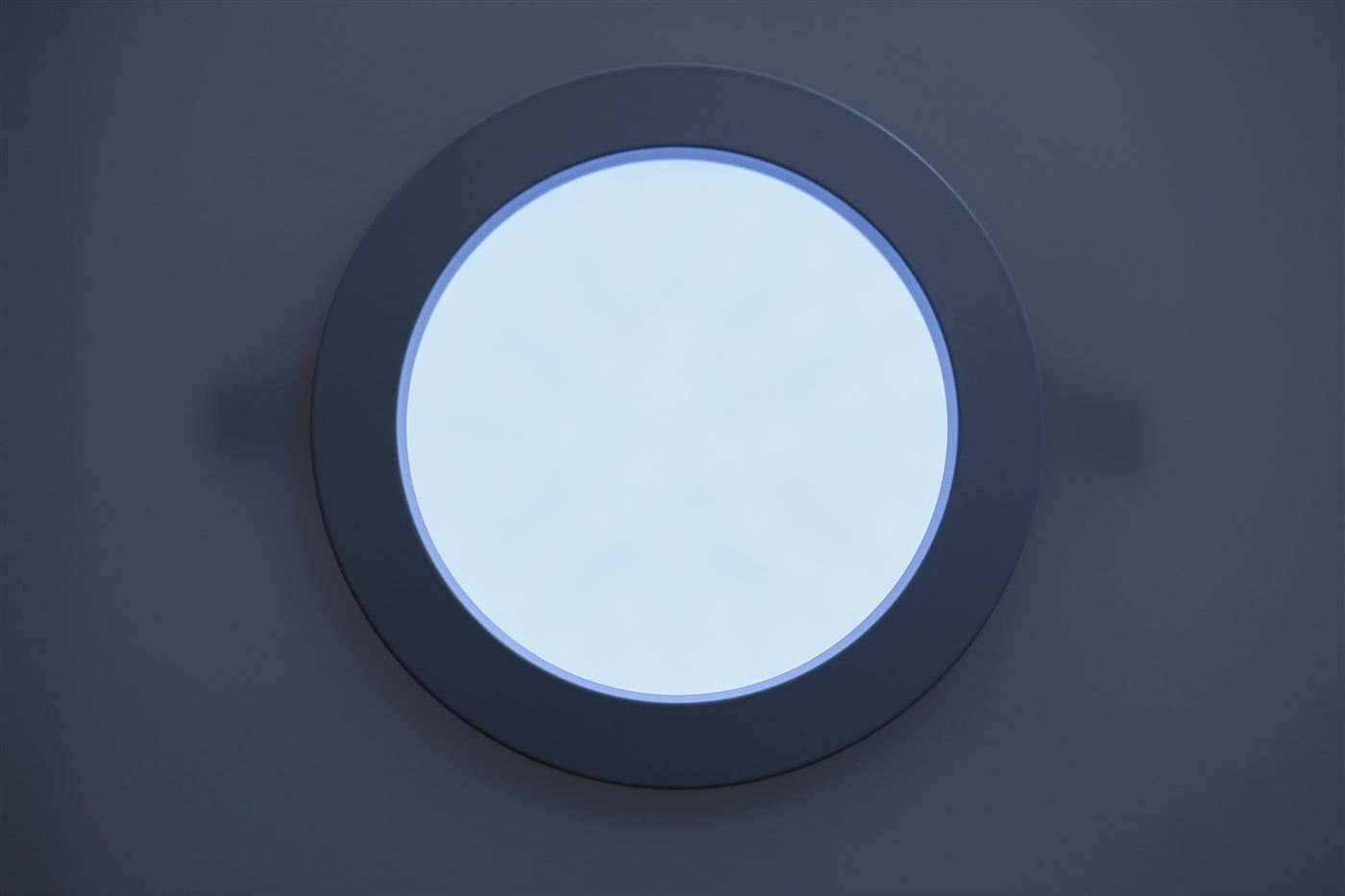

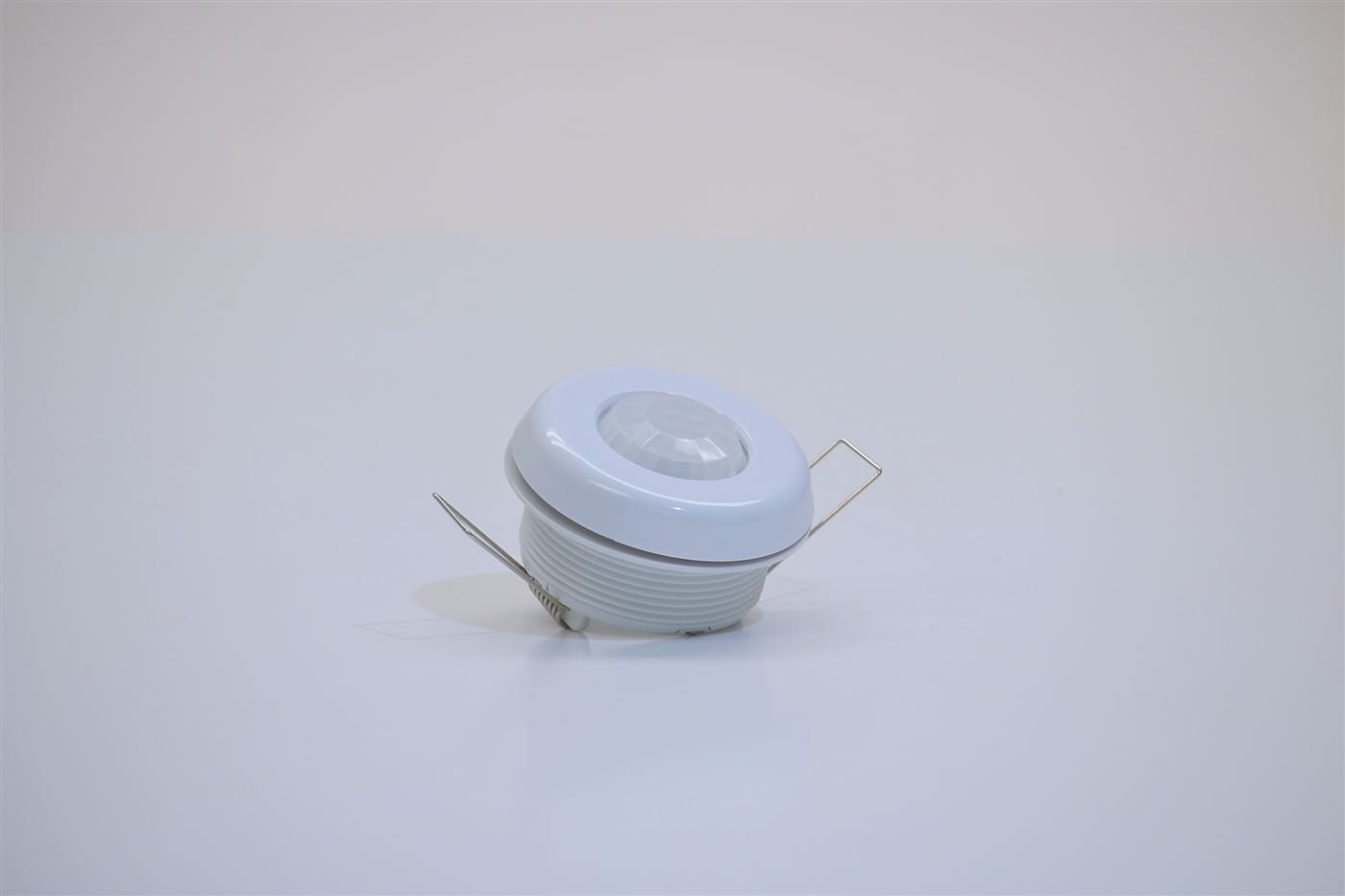
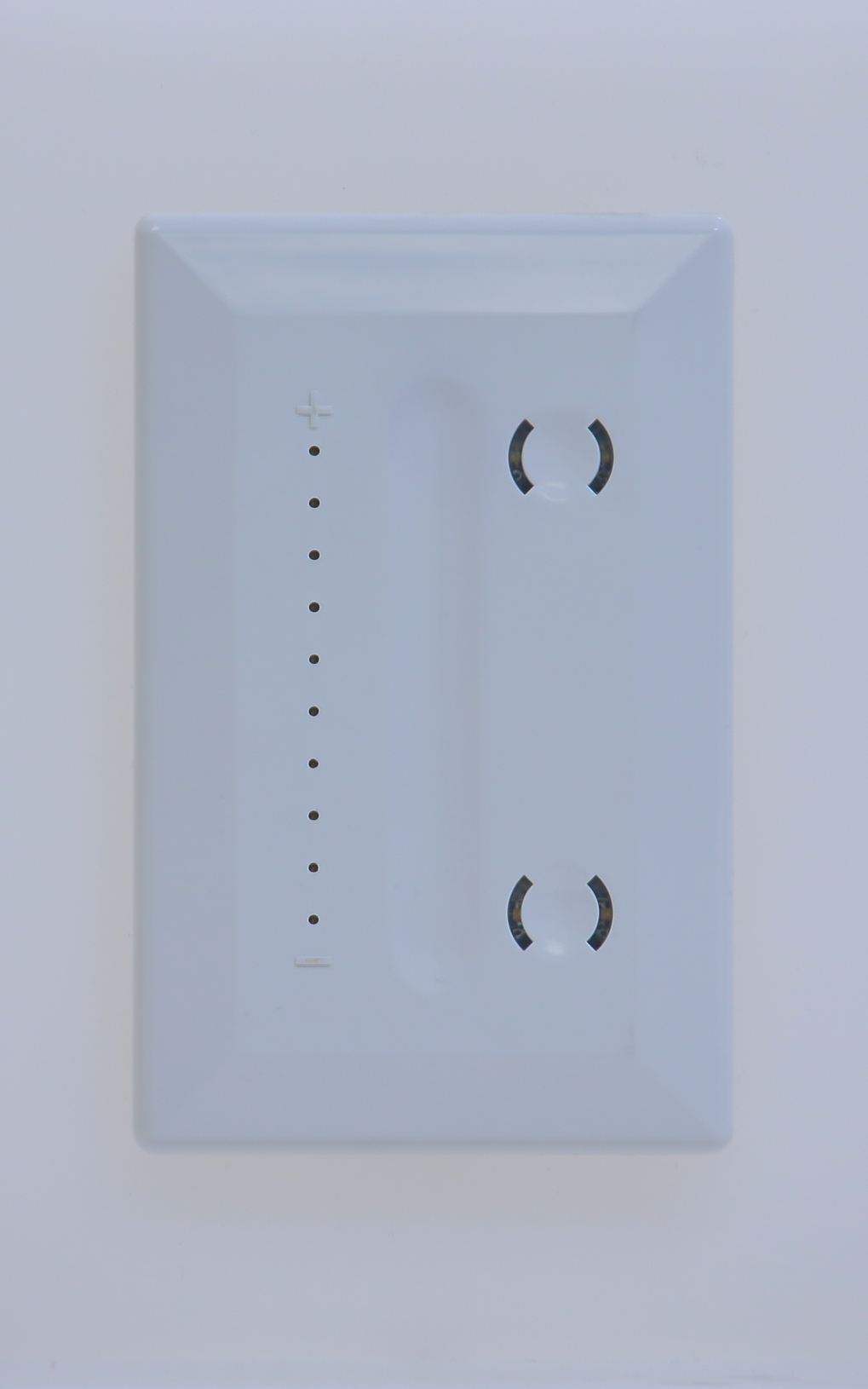
This is where the magic shows up in the room. PoE LED fixtures light the space and report status and energy use. Occupancy and daylight sensors notice who is there and how bright the sun is. Wall switches give people familiar fingertip control, still over safe low-voltage Ethernet.
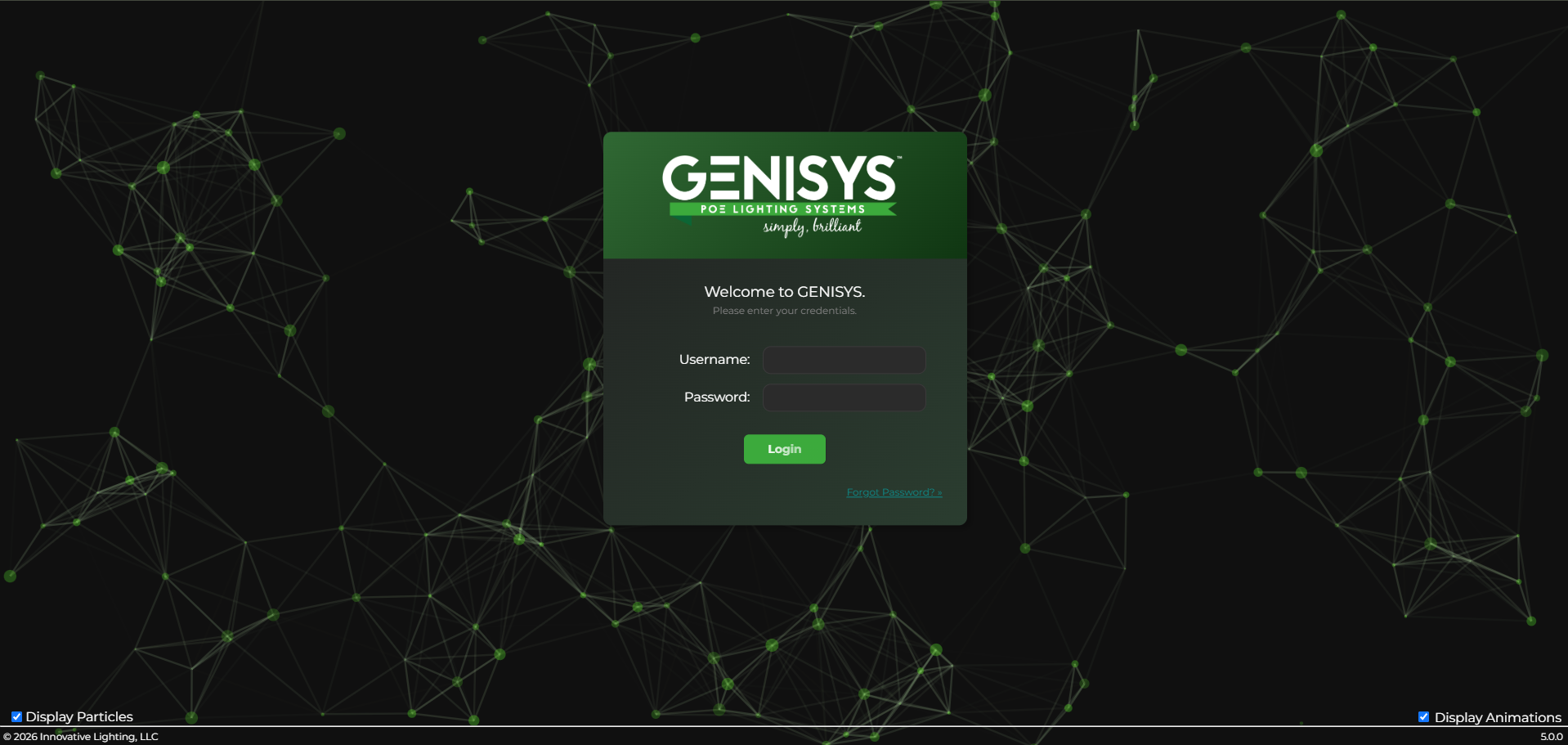
Software ties the whole system together. From one dashboard you schedule scenes, group zones, tune brightness and color, and watch energy data come back from the field. Change a room layout next year? Remap it in software instead of ripping wire.
The install is only half the story. Networked light opens up control that traditional AC systems struggle to match.

Dial intensity and white tone for focus, comfort, retail pop, or wind-down mode.

Group fixtures by room, aisle, classroom, or lobby and control them as one layer.

Lights wake up with occupancy and ease off when spaces empty out.

Sensors balance artificial light with the sun so energy follows real conditions.

Morning ramp-ups, lunch softens, after-hours wind-downs, all on schedule.
See what lighting actually uses, then act on the data instead of guessing.

RJ45 plug-and-play and low-voltage pathways cut the conduit drama of traditional lighting.

Low-voltage DC at the fixture means technicians are not wrestling line voltage at every light.
Remap zones and scenes in software when the floor plan changes. Keep the cable. Change the logic.
New to the concept? Start with what PoE lighting is. Ready for proof? Browse case studies or dig into the FAQ.
The plain-language intro to Power over Ethernet LED lighting.
Learn moreSee the hub that powers and controls up to eight devices.
Learn moreScenes, schedules, ColorTune, and energy insight.
Learn moreAnswers on safety, cabling, third-party fixtures, and more.
Learn moreWe will map how a GENISYS PoE lighting system would flow through your space, from switch to software.